What You Eat and Drink While Taking Amoxicillin Could Be Undermining Your Treatment
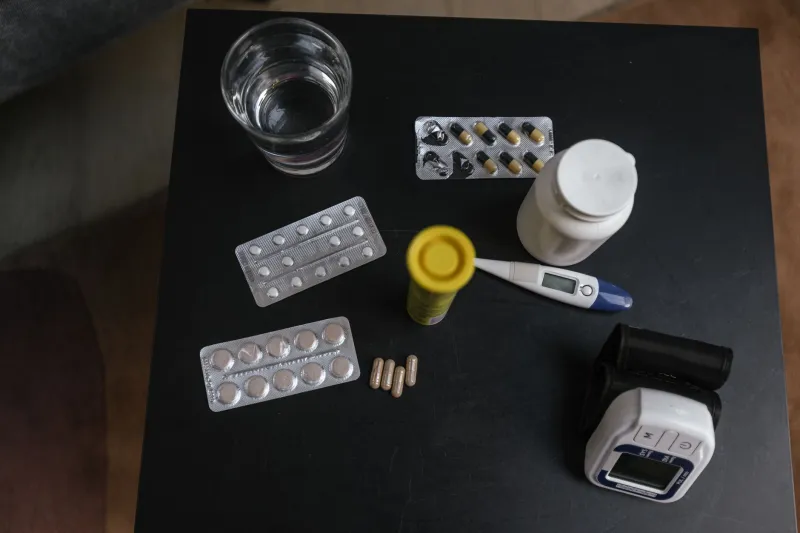
For most patients filling an amoxicillin prescription, the instructions seem straightforward: take your capsule at the prescribed interval, finish the full course, and let the antibiotic do its work. What rarely appears on the pharmacy label—and what prescribers seldom discuss during a brief clinical visit—is the role that food and beverage choices play in determining how effectively the drug reaches its target.
Amoxicillin is among the most widely prescribed antibiotics in the United States, dispensed millions of times each year for conditions ranging from strep throat and ear infections to urinary tract infections and dental procedures. Its popularity owes partly to its reliability, but that reliability depends on the drug being properly absorbed into the bloodstream. When dietary factors interfere with that process, even a correctly dosed, legitimately prescribed course of treatment can underperform.
How Amoxicillin Moves Through the Body
After you swallow an amoxicillin capsule, the medication travels to the stomach and then the small intestine, where the majority of absorption occurs. Amoxicillin belongs to the penicillin class of antibiotics and is considered relatively stable in acidic stomach environments compared to some older penicillins—a property that makes it reasonably well-absorbed when taken orally. However, "relatively stable" does not mean "immune to interference."
The rate and completeness of absorption—referred to clinically as bioavailability—can be influenced by the pH of the gastrointestinal environment, the presence of competing compounds, and the speed at which the stomach empties its contents into the small intestine. Each of these variables is affected, to varying degrees, by what you consume alongside or shortly before your dose.
The Dairy Question: Calcium and Antibiotic Absorption
Patients who take tetracycline or fluoroquinolone antibiotics are routinely warned to avoid dairy products, because calcium ions in milk, yogurt, and cheese bind directly to those drugs and prevent absorption. Amoxicillin does not share the same dramatic vulnerability to calcium chelation, which leads many clinicians to omit the dairy conversation entirely.
However, this does not mean dairy is entirely without consequence. High-fat dairy products consumed immediately before or with an amoxicillin dose can slow gastric emptying—the rate at which the stomach moves its contents forward. When gastric emptying is delayed, the window in which amoxicillin reaches the small intestine's absorptive surface is altered. In patients who are already dealing with compromised gut motility, or who consume large quantities of fatty foods at each meal, this effect may be more pronounced.
The practical takeaway is nuanced: a small glass of milk taken with amoxicillin is unlikely to meaningfully diminish treatment outcomes for most patients. A high-fat meal consisting of a cheeseburger, milkshake, and fries consumed immediately before a dose is a different matter. Moderation and timing matter more than outright avoidance.
Acidic Beverages: When Your Morning Routine Works Against You
Orange juice, grapefruit juice, cranberry juice, and carbonated sodas are dietary staples for many Americans—and all of them introduce significant acidity into the gastrointestinal tract. While amoxicillin tolerates acidic conditions better than some antibiotics, extremely low gastric pH can still accelerate drug degradation before full absorption occurs.
Grapefruit juice deserves particular attention. It is well-established in pharmacological literature that grapefruit and its juice inhibit a family of enzymes known as CYP3A4, found in both the intestinal wall and the liver. These enzymes are responsible for metabolizing a wide range of medications. While amoxicillin is not primarily metabolized through the CYP3A4 pathway in the way that some statins or immunosuppressants are, patients taking multiple medications alongside amoxicillin should be aware that grapefruit's enzyme-inhibiting properties could affect the broader medication regimen. When in doubt, water remains the safest vehicle for swallowing any prescription capsule.
Carbonated beverages present a different mechanism of concern. The carbonation itself does not chemically interact with amoxicillin, but the high sugar content and acidity in many sodas can alter gut flora dynamics—a consideration that becomes relevant when amoxicillin is already disrupting the natural bacterial balance in the digestive tract.
Alcohol: A Separate but Relevant Consideration
Amoxicillin does not carry the severe alcohol interaction warning associated with medications like metronidazole, where even small quantities of alcohol can trigger nausea, vomiting, and flushing. Patients often interpret this to mean that alcohol consumption during an amoxicillin course is without consequence.
The reality is more measured. Alcohol can impair immune function, disrupt sleep quality, and contribute to dehydration—all of which undermine the body's own capacity to fight infection. Alcohol also irritates the gastrointestinal lining, potentially compounding the digestive side effects that amoxicillin itself sometimes produces, including nausea, diarrhea, and stomach discomfort. Abstaining from or significantly limiting alcohol during a course of antibiotics is sound clinical advice, even when no direct pharmacokinetic interaction is present.
Timing Strategies That Protect Your Dose
Unlike some antibiotics that must be taken strictly on an empty stomach, amoxicillin can be taken with or without food—a flexibility that most prescribers communicate accurately. What they less frequently convey is how to use that flexibility strategically.
For patients who experience gastrointestinal upset when taking amoxicillin on an empty stomach, taking the capsule with a light, low-fat meal is an appropriate and clinically reasonable approach. A bowl of oatmeal, a piece of whole-grain toast, or a small serving of lean protein provides enough food to buffer stomach irritation without significantly impeding absorption.
For patients who are not experiencing digestive discomfort, taking amoxicillin with a full glass of water on a stomach that is neither completely empty nor loaded with a heavy meal represents the practical ideal. Spacing doses evenly throughout the day—and keeping that schedule consistent regardless of meal timing—helps maintain stable drug concentrations in the bloodstream, which is ultimately the goal of any antibiotic regimen.
Patients who take amoxicillin twice daily should aim to keep doses approximately twelve hours apart. Those on a three-times-daily schedule should target eight-hour intervals. Clustering doses around meal schedules for convenience—for example, taking all three doses within a six-hour window because that is when meals occur—compromises the pharmacokinetic rationale behind the prescribed interval.
What to Tell Your Pharmacist Before You Leave
The brief counseling window at the pharmacy counter is an underutilized resource. Before leaving with your amoxicillin prescription, consider asking your pharmacist directly whether any of your regular dietary habits—heavy dairy consumption, daily grapefruit juice, frequent alcohol use—are worth adjusting during your course of treatment. Pharmacists are specifically trained in drug-food interactions and are often better positioned than prescribers to address these practical, day-to-day questions.
If you have a complex medication regimen, a history of gastrointestinal conditions, or concerns about how your diet might affect treatment, requesting a brief medication therapy management consultation is a reasonable step. Many pharmacies offer this service, and it is designed precisely for patients who want to ensure their prescriptions work as intended.
The Bottom Line
Amoxicillin is a resilient and well-tolerated antibiotic, but it is not impervious to the dietary environment in which it is absorbed. Highly acidic beverages, heavy or fatty meals, and habitual alcohol use each introduce variables that can reduce the drug's effectiveness in ways that are entirely preventable. The prescription you receive is calibrated for a body that absorbs the drug reliably—and maintaining that reliability is partly your responsibility as a patient.
The guidance here is not about rigid dietary restriction. It is about informed, intentional choices during a finite treatment period. A typical amoxicillin course lasts seven to ten days. Small adjustments to what you consume—and when—during that window can mean the difference between a prescription that works and one that falls short.