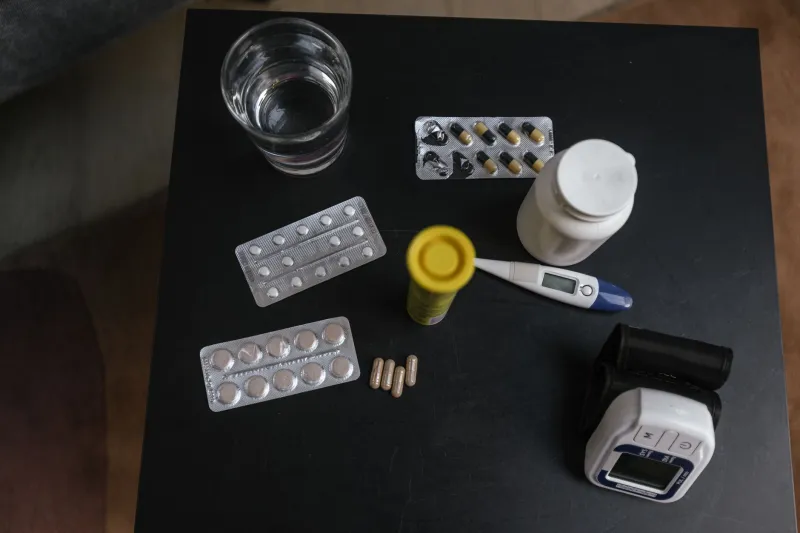
Your Labs Look Great. So Why Do You Still Feel Terrible? The Science Behind Amoxicillin's Hidden Timeline
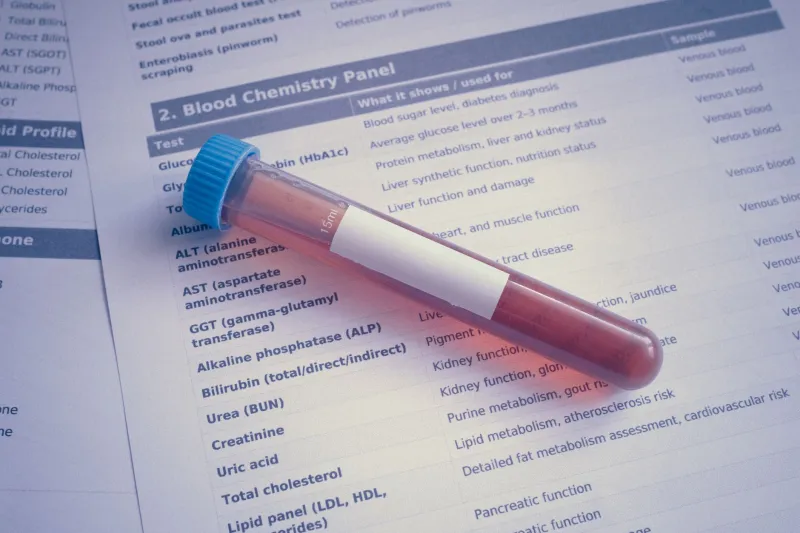
There is a particular kind of frustration that arrives around day four or five of an amoxicillin course. Your prescriber calls to report that your white blood cell count is trending downward, your C-reactive protein is normalizing, and the culture results suggest the antibiotic is working exactly as intended. And yet you hang up the phone, return to the couch, and feel, by almost every subjective measure, genuinely awful.
This experience is not unusual. It is not a sign that something has gone wrong. It is, in fact, one of the most consistently misunderstood aspects of bacterial infection and antibiotic treatment—and it has a precise biological explanation.
What Laboratory Markers Actually Measure
When a clinician orders bloodwork during an infection, they are typically looking at a constellation of indicators: white blood cell count, neutrophil levels, erythrocyte sedimentation rate (ESR), and C-reactive protein (CRP), among others. These values reflect the activity level of your immune system's response to bacterial invasion.
Amoxicillin, as a penicillin-class antibiotic, works by disrupting the cell wall synthesis of susceptible bacteria. As bacterial populations decline under antibiotic pressure, the immune system detects fewer foreign antigens, and the inflammatory cascade begins to wind down. Laboratory instruments can detect these molecular shifts relatively quickly—often within 48 to 72 hours of effective treatment.
Your nervous system, your muscles, your gastrointestinal tract, and your energy metabolism operate on an entirely different schedule.
The Inflammatory Hangover
The sensation of being sick—the fatigue, body aches, headache, low-grade fever, and general malaise—is not caused by bacteria directly. It is caused by your immune system's response to those bacteria. Cytokines, which are small signaling proteins released during infection, trigger what researchers sometimes call "sickness behavior": a coordinated physiological state designed to redirect your body's resources toward fighting infection.
Cytokines such as interleukin-1 (IL-1), interleukin-6 (IL-6), and tumor necrosis factor-alpha (TNF-α) act on the brain, muscles, and organ systems to produce the symptoms patients most commonly associate with being sick. They suppress appetite, induce fatigue, elevate body temperature, and increase sensitivity to pain.
Here is the critical point: even after amoxicillin has eliminated the bacterial load and your labs begin to reflect that progress, these cytokines do not vanish instantaneously. They are metabolized and cleared gradually, over a period of days. The immune system, having mounted a significant response, does not simply switch off the moment the threat is neutralized. Residual inflammation persists. Tissue that was irritated or damaged during the infection continues to heal. And your body, which has been diverting substantial energy toward immune function, needs time to restore normal metabolic equilibrium.
This is what many patients and even some clinicians informally call the "inflammatory hangover"—a period during which the biological battle is effectively over, but the aftermath continues to make itself felt.
Why Tissue Repair Runs Its Own Clock
Beyond circulating cytokines, localized tissue damage contributes significantly to prolonged symptoms. Consider a patient being treated for streptococcal pharyngitis. Amoxicillin may clear the bacterial infection within a few days, but the throat tissue itself—inflamed, swollen, and potentially eroded by bacterial toxins and immune activity—requires additional time to heal. Epithelial cells must regenerate. Swelling must resolve. Lymph nodes that enlarged in response to infection gradually return to their normal size.
The same principle applies to respiratory tract infections, skin infections, and urinary tract infections. The bacteria may be gone, but the anatomical evidence of their presence lingers. Patients feel that evidence as soreness, pressure, congestion, or discomfort long after the microbiological threat has passed.
This is not a treatment failure. It is tissue biology.
The Role of the Gut in Post-Infection Recovery
Amoxicillin's effect on the gastrointestinal microbiome adds another layer to this timeline. Broad-spectrum antibiotics, including amoxicillin, alter the composition of gut bacteria during treatment. The microbiome plays a well-documented role in immune regulation, energy metabolism, and even mood. Disruptions to this ecosystem can produce fatigue, digestive discomfort, and a general sense of unwellness that persists beyond the infection itself.
For some patients, this gut disruption is mild and self-resolving. For others, particularly those on longer courses or higher doses, it can be a meaningful contributor to prolonged symptom burden. Clinicians sometimes recommend probiotic supplementation during or after antibiotic treatment, though patients should consult their prescriber before adding any supplement to their regimen.
When the Disconnect Becomes a Clinical Concern
Understanding that lab improvement can precede symptomatic relief does not mean that persistent symptoms should always be dismissed. There are circumstances in which continuing or worsening symptoms during amoxicillin treatment warrant reassessment.
If fever spikes rather than gradually resolves, if pain intensifies rather than plateaus, if new symptoms emerge, or if there is no subjective improvement whatsoever after five to seven days, these are signals worth reporting to your prescriber. The possibility of a resistant organism, a secondary infection, a complication such as abscess formation, or an incorrect initial diagnosis all deserve consideration.
The distinction between "still feeling the aftermath of an infection" and "still actively fighting an infection" is clinically meaningful, and your prescriber is the appropriate person to help you determine which category applies to your situation.
What Patients Can Reasonably Expect
For most uncomplicated bacterial infections treated with amoxicillin, a reasonable general framework—offered here for informational purposes only, not as personalized medical advice—is as follows:
- Days one through three: Amoxicillin begins reducing bacterial load. Patients may notice little improvement, or may temporarily feel worse as bacterial die-off triggers additional immune activity.
- Days three through five: Laboratory markers often begin normalizing. Fever typically starts to resolve. Many patients, however, continue to feel fatigued and unwell.
- Days five through ten (or beyond): Tissue repair continues. Energy levels gradually return. Full symptomatic resolution may lag significantly behind microbiological clearance.
This timeline varies based on the type and severity of infection, the patient's baseline health, age, and immune status, and the specific amoxicillin dosing regimen prescribed.
Communicating With Your Prescriber
One of the most practical takeaways from this discussion is the value of clear, specific communication with your healthcare provider. Rather than reporting simply that you "still feel sick," describing the nature of your symptoms—whether they are stable, improving, or worsening—gives your prescriber far more useful information.
Keeping a brief daily log of your temperature, symptom severity, and any new developments during treatment can be genuinely helpful during a follow-up call or visit. It allows your clinician to distinguish between the expected physiological lag described in this article and a pattern that might warrant a change in approach.
The Bottom Line
Feeling ill while your lab results improve is not a paradox so much as a predictable feature of how bacterial infections and immune responses interact. Amoxicillin addresses the bacterial cause. Your body addresses the consequences—and that process unfolds on its own biological schedule, indifferent to how urgently you need to return to work or resume your normal life.
Patience, hydration, rest, and consistent adherence to your prescribed course remain the most evidence-aligned responses to this experience. And when in doubt, your prescriber is always the right resource for determining whether your recovery is proceeding as expected.