Negative Test, Persistent Symptoms: Understanding Why Recovery Outlasts the Infection Itself

You completed your amoxicillin course. Your follow-up test came back negative. Your prescriber told you the bacteria are gone. So why do you still feel congested, fatigued, or vaguely unwell two weeks later?
This experience is more common than most patients realize, and it sits at the center of one of the more confusing aspects of antibiotic treatment: the gap between bacterial clearance and full clinical recovery. Understanding what happens inside your body after the infection ends can make the difference between an informed, patient recovery and an unnecessary spiral of repeat visits and second-guessed prescriptions.
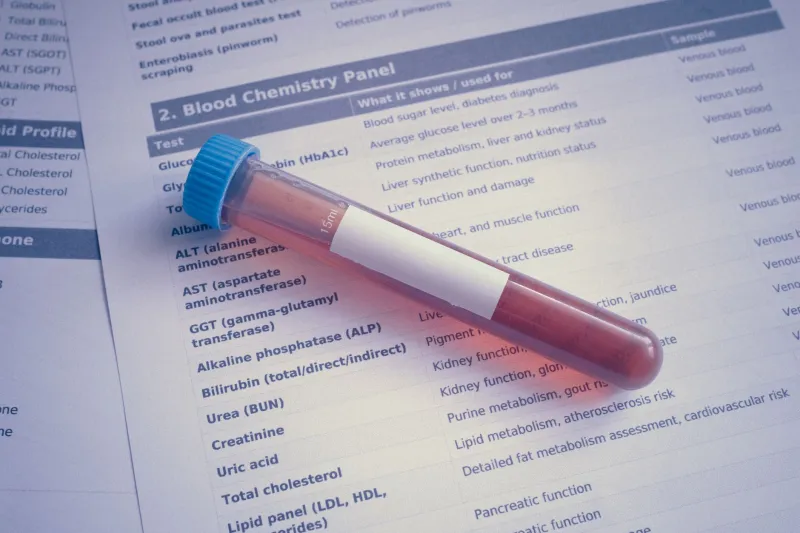
What a Negative Test Actually Tells You
When a culture, rapid strep swab, or other diagnostic test returns a negative result after treatment, it confirms one specific thing: the bacterial pathogen is no longer detectable at the sampled site. In the context of amoxicillin therapy, this typically means the drug accomplished its primary objective. The bacteria that triggered your illness have been eliminated or reduced below the threshold of clinical significance.
What the test does not measure is the condition of your tissues, the state of your immune system, or how far along your body is in the repair process. These are entirely separate biological events, and they operate on their own timeline — one that no antibiotic can accelerate.
The Inflammation That Stays After the Bacteria Leave
Bacterial infections do not simply cause symptoms by existing. They cause symptoms largely through the immune response they provoke. When your body detects a bacterial invader, it launches a coordinated inflammatory response: white blood cells flood the area, cytokines signal distress throughout surrounding tissue, mucous membranes swell, and local blood vessels dilate to bring more immune resources to the site.
Amoxicillin eliminates the bacteria. It does not switch off the inflammation those bacteria triggered.
Post-infectious inflammation can persist for days to several weeks after the pathogen is cleared. This is particularly true in the upper respiratory tract, where tissue swelling, mucus overproduction, and sinus pressure can linger well beyond the point of bacterial eradication. Ear infections treated successfully with amoxicillin may leave behind fluid in the middle ear for weeks. Throat infections may leave residual soreness even after the Streptococcal colony is gone.
This is not treatment failure. It is biology.
Tissue Repair Has Its Own Schedule
Beyond inflammation, the structural damage that bacteria cause to mucosal tissue, epithelial linings, and local lymph nodes requires time to repair. Consider a strep throat infection: the bacteria do not just colonize the surface — they actively damage the tissue they inhabit. Once amoxicillin clears the infection, the body must rebuild that tissue from the inside out.
Cells regenerate. Collagen is laid down. Immune surveillance continues. This process is not instantaneous, and it does not pause because a test has returned a clean result. Depending on the severity of the original infection and the patient's overall health, full tissue recovery may take anywhere from one to four weeks after antibiotic therapy concludes.
Fatigue, in particular, is a commonly overlooked post-infectious symptom. The immune system expends enormous metabolic resources fighting a bacterial infection. Rebuilding those reserves — restoring white blood cell populations, clearing cellular debris, and rebalancing immune signaling — takes time and energy that patients often underestimate.
When Persistent Symptoms Become a Red Flag
Most post-infectious symptoms follow a predictable arc: they peak around the time of diagnosis, begin to improve within two to three days of starting amoxicillin, and gradually resolve over one to three weeks. Symptoms that follow this pattern, even if they linger, are generally consistent with normal recovery.
However, certain symptom patterns warrant prompt re-evaluation by a healthcare provider:
- Symptoms that worsen after an initial period of improvement. This pattern — sometimes called a "biphasic" illness course — can indicate a secondary infection, a complication such as an abscess, or the emergence of a resistant organism.
- New symptoms that were not present at the time of the original diagnosis. Chest pain, shortness of breath, significant swelling, or a spreading rash are not expected components of post-infectious recovery.
- Fever that returns or never fully resolved. A persistent or returning fever after completing a full amoxicillin course suggests the infection may not have been fully cleared, or that a different pathogen is involved.
- Symptoms that remain entirely unchanged from day one. If there has been no measurable improvement at any point during or after treatment, the original diagnosis or the appropriateness of amoxicillin for the specific organism involved may need to be revisited.
The Risk of Misreading Recovery as Relapse
One of the more clinically consequential errors patients make is requesting a second antibiotic course — or a different antibiotic altogether — when their body is, in fact, on a normal recovery trajectory. This impulse is understandable. Feeling unwell when you have been told your infection is cleared is genuinely disorienting.
But unnecessary antibiotic prescriptions carry real risks: disruption of the gut microbiome, increased susceptibility to opportunistic infections such as Clostridioides difficile, potential drug interactions, and — critically from a public health standpoint — contribution to antibiotic resistance patterns that affect entire communities.
If your test is negative and your symptoms are gradually improving, even slowly, the most appropriate course of action in most cases is continued supportive care: rest, adequate hydration, and patience.
When to Call Your Prescriber Anyway
None of the above is intended to discourage patients from seeking follow-up care when something feels genuinely wrong. If you have completed your amoxicillin prescription, received a negative post-treatment test, and are still experiencing symptoms that concern you, a follow-up call or visit to your prescriber is always a reasonable step.
The key is to approach that conversation with accurate information. Rather than framing the visit as "the antibiotic didn't work," consider describing the specific symptoms that persist, their severity compared to when you first became ill, and the direction they are trending. This gives your provider the clinical context needed to distinguish post-infectious recovery from a situation that genuinely requires further intervention.
At AmoxicillinCaps, we recognize that navigating antibiotic treatment and recovery raises real questions that deserve clear, medically grounded answers. A negative test result is a meaningful data point — but it is one chapter in a longer recovery story, not the final word.